Gli ultimi anni sono stati i più caldi mai registrati nella storia (dati ONU e NASA) e sempre più cataclismi meteorologici dimostrano come il cambiamento climatico non sia più un'ipotesi futura, ma un fenomeno attuale. Il passaggio da un habitat all'altro costringe la società ad adattarsi (resilienza), a spostarsi (migrazione) o a resistere, imprimendo mutazioni artificiali sull'ambiente. Nel prossimo futuro, le vacanze dei nostri sogni potrebbero non essere più le stesse.
Questo progetto mira a esplorare come l'industria del turismo (non) sta reagendo agli effetti del riscaldamento globale, quali il calo delle nevicate, la desertificazione, lo scioglimento dei ghiacci polari e l'innalzamento del livello del mare. Tra il 2015 e il 2021, questa ricerca ha dato vita a quattro capitoli distinti, raccolti nel progetto Tourism in the climate change era: Snow Land, situato nelle Dolomiti italiane; Water Tour, condotto lungo il sistema idrico del Mar Morto tra Palestina e Israele; Iceberg Souvenir, che abbraccia Canada, Groenlandia e Islanda; e infine Lost Paradise, ambientato nella Repubblica delle Maldive.
Nella mostra esposta qui al Parco della Musica di Roma, sono presentati i capitoli Lost Paradise e Iceberg Souvenir.
Anche se apparentemente marginale, il settore turistico rappresenta il 10% del PIL mondiale e le vacanze continuano a essere uno status symbol della classe media mondiale. Con un punto di vista ironico, questo progetto cerca di affrontare un tema di importanza globale: gli effetti del cambiamento climatico sul nostro stile di vita insostenibile.
The latest years were the hottest years in historical record (UN and NASA data) and more and more meteorological cataclysms show how climate change is no longer a future hypothesis, but a present phenomenon. The transition from one habitat to another forces society to adapt itself (resilience), to move (migration) or to resist, impressing artificial mutations on the environment. In the next future, the holidays of our dreams may not be the same.
This project aims to explore how the tourism industry is (not) reacting to the effects of global warming, such as decline of snowfall, desertification, polar ice melt, and rising sea levels. Between 2015 and 2021, this concept gave rise to four separate chapters around the world, which are collected here in this project: Snow Land, situated in the Italian Dolomite Alps; Water Tour, conducted along the Dead Sea water system between Palestine and Israel; Iceberg Souvenir, spanning Canada, Greenland, and Iceland; and finally, Lost Paradise, set in the Republic of Maldives.
The exhibition on display here at the Parco della Musica in Rome presents the chapters Lost Paradise and Iceberg Souvenir.
Even if it’s apparently a marginal sector, the tourism sector accounts for 10% of world GDP and the Holiday still represents a status symbol of the world wide middle class. With an ironic point of view this project tries to deal with a theme of global importance: the effects of climate change on our unsustainable lifestyle.
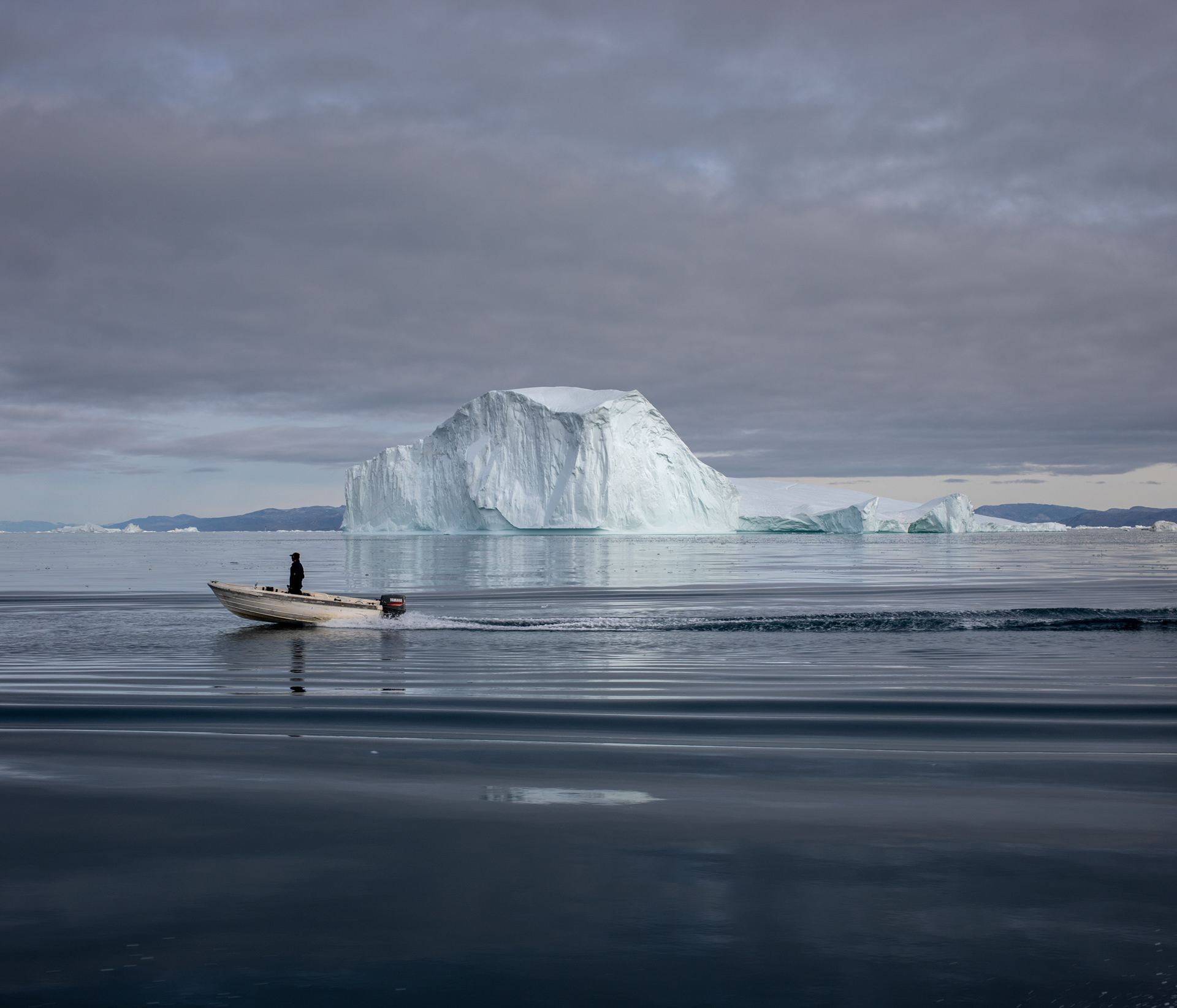
|ITA| Groenlandia - La baia di Disko, nei pressi di Jakobshavn, offre uno spettacolare panorama marino punteggiato da iceberg di tutte le dimensioni che si muovono alla deriva tra le onde. A causa del riscaldamento globale, gli iceberg diventano sempre più grandi e numerosi.
Ascolta in italiano
|ENG| Greenland - Disko Bay, near Jakobshavn, offers a spectacular marine panorama dotted with icebergs of all sizes drifting in the waves. As a result of global warming, icebergs are getting bigger and more numerous.
Listen in English
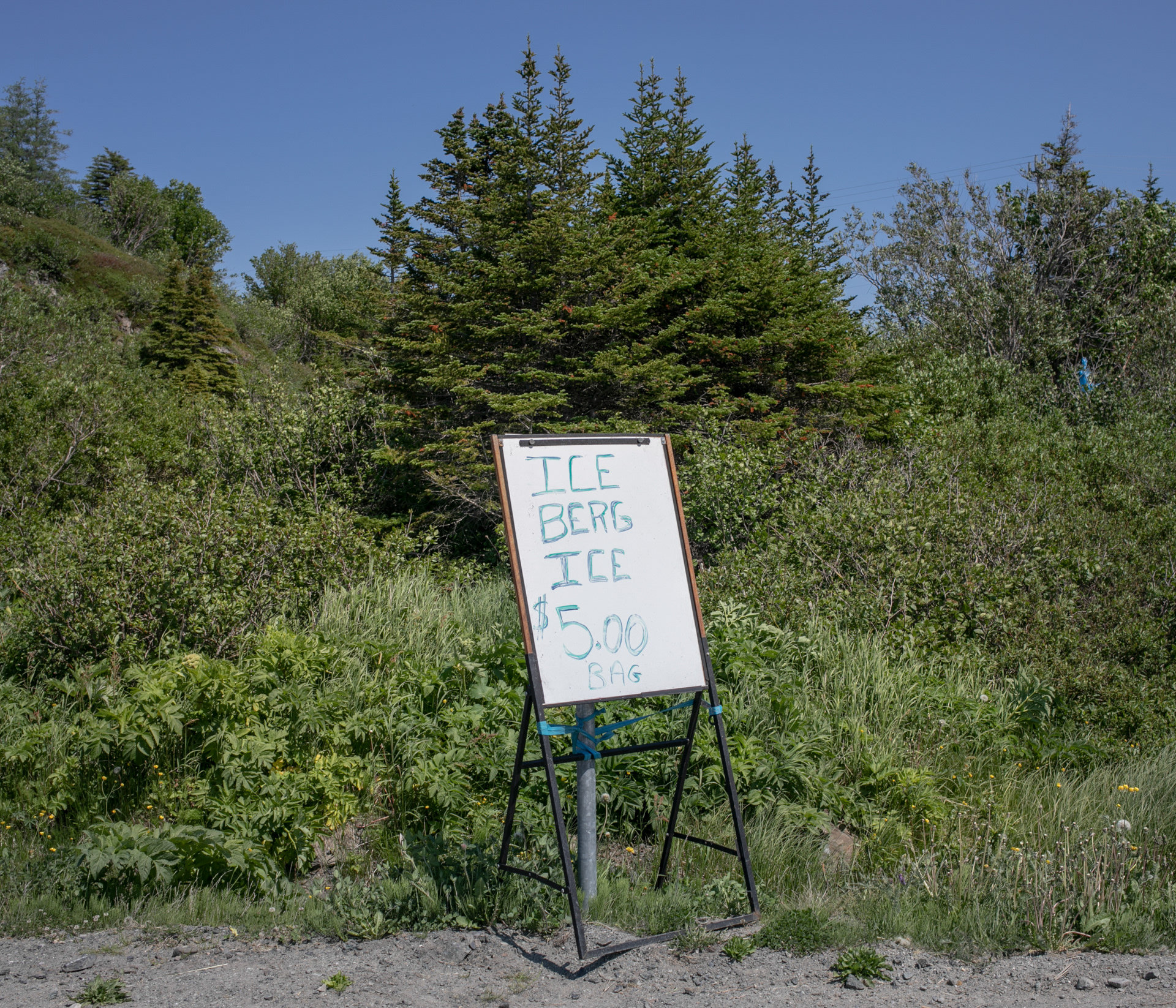
|ITA| Canada, Terranova e Labrador - Un cartello pubblicitario che promuove la vendita di ghiaccio iceberg. Nel 2017, Harrods Londra ha lanciato Svalbarði, una “acqua di lusso”. Svalbarði è un’azienda norvegese che vende acqua Iceberg a un prezzo compreso tra 75 e 390 euro per una cassa di sei bottiglie da 750 ml.
|ENG| Canada, Newfoundland and Labrador - An advertising sign promoting the sale of iceberg ice. In 2017, Harrods London launched Svalbarði, a “luxury water”. Svalbarði is a Norwegian company that sells Iceberg water for between €75 and €390 for a case of six 750 ml bottles.
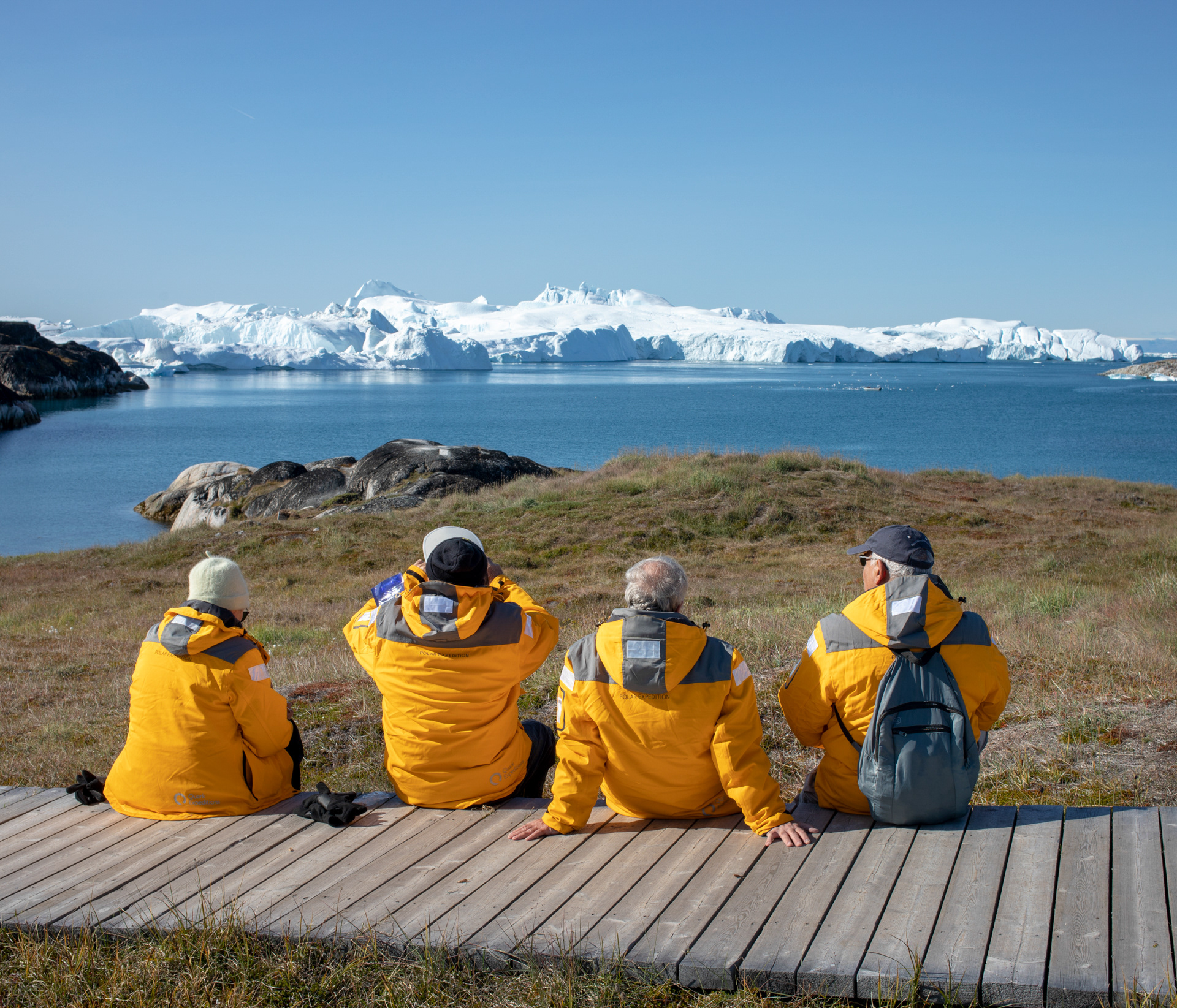
|ITA| Groenlandia, Kangia Icefiord - Nel 2017 si stima che più di 27.000 turisti abbiano visitato la Groenlandia. Una cifra che potrebbe sembrare irrisoria, se non fosse che rappresenta quasi la metà della popolazione del Paese.
|ENG| Greenland, Kangia Icefiord - In 2017, an estimated 27,000 tourists visited Greenland. A figure that might seem derisory, were it not for the fact that it represents almost half the country’s population.
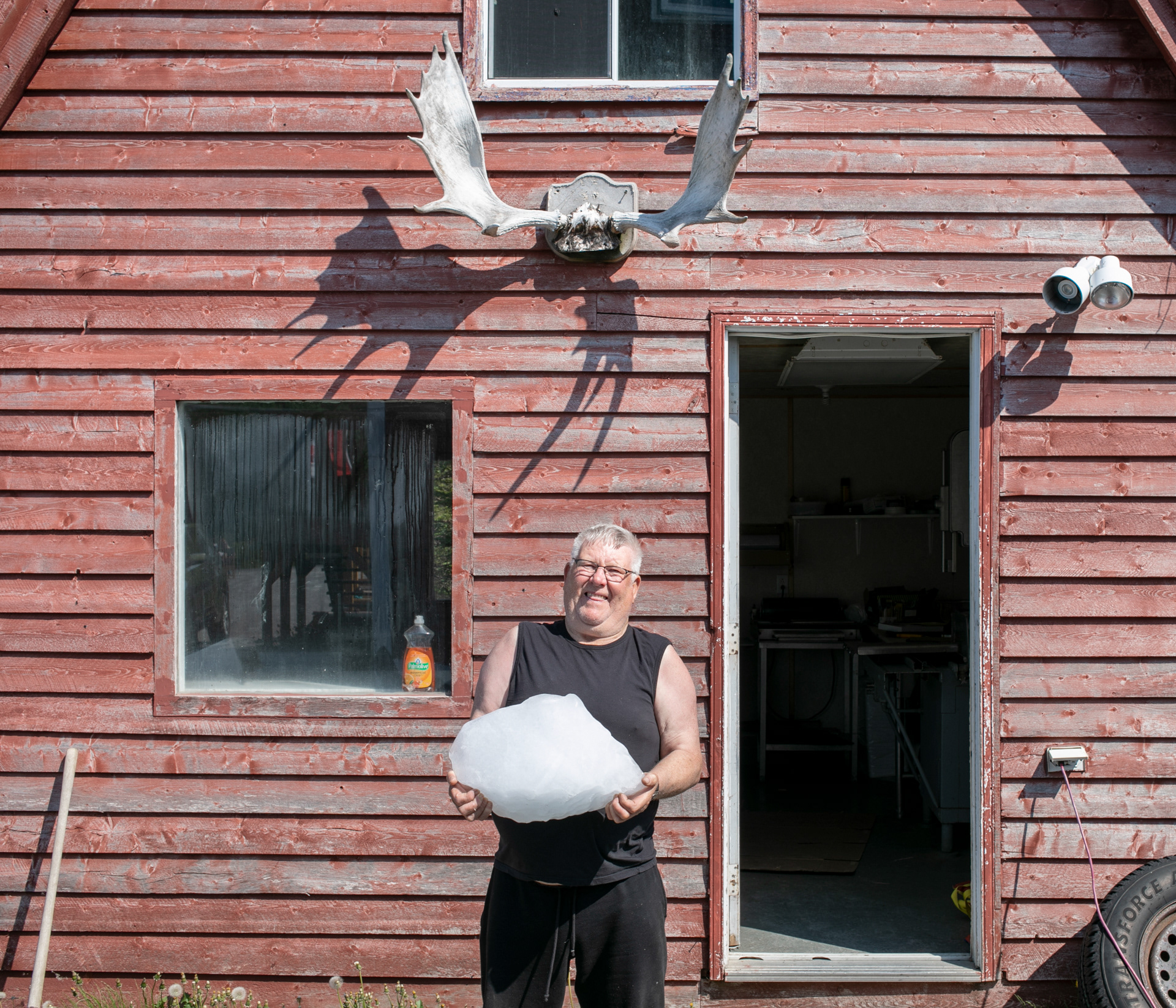
|ITA| Canada, Terranova e Labrador - Vicino al villaggio di Saint Lunaire-Griquet, un uomo regge un pezzo di iceberg prelevato dall’oceano. L’iceberg è particolarmente puro, costituito da acqua dolce compressa dal peso del ghiacciaio.
|ENG| Canada, Newfoundland and Labrador - Near the village of Saint Lunaire-Griquet, A man holds up a piece of iceberg taken from the ocean. The iceberg is particularly pure, made up of freshwater compressed by the weight of the glacier.
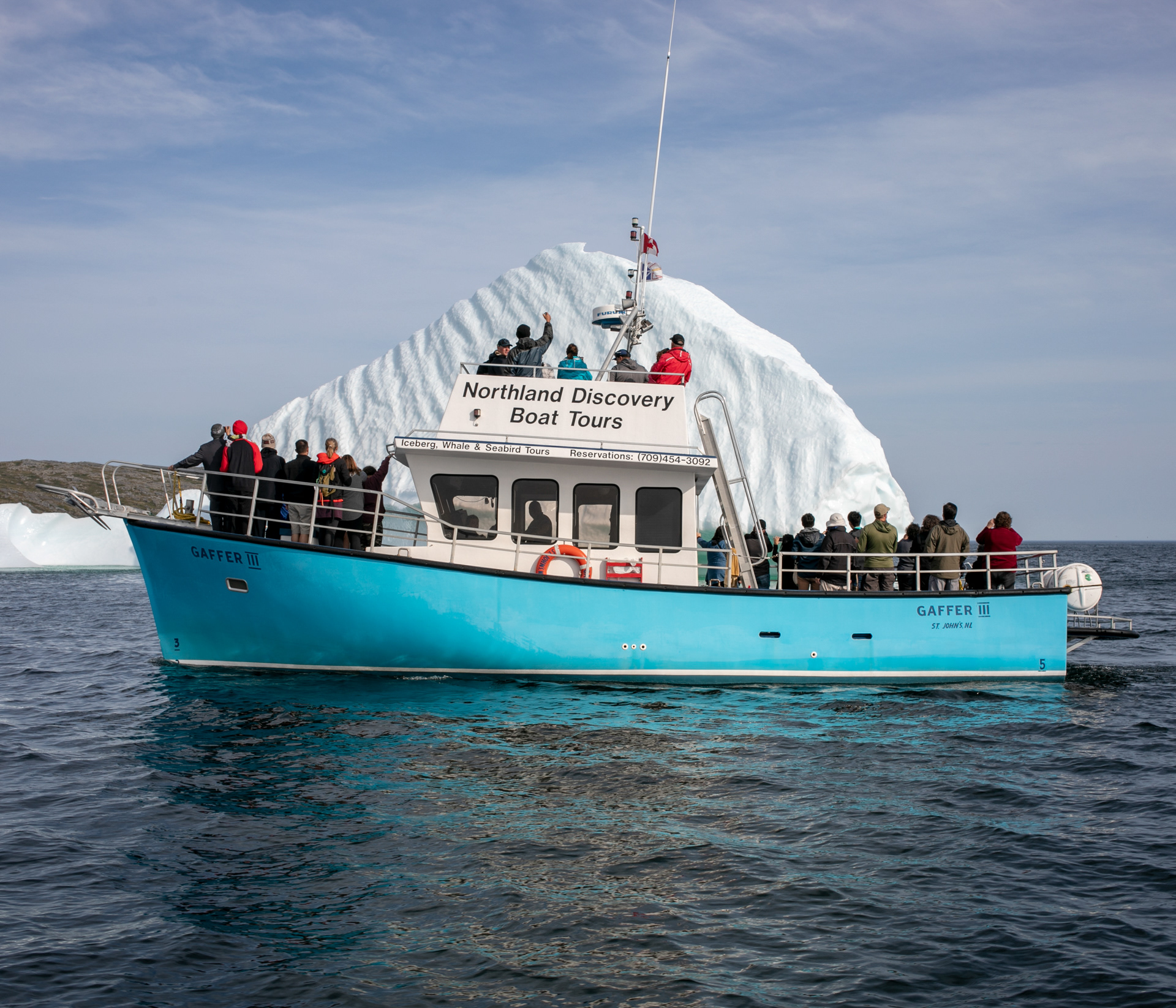
|ITA| Canada, Terranova e Labrador - Questa piccola imbarcazione canadese, può ospitare fino a 45 persone a bordo, e offre tre uscite in mare di due ore al giorno per sfiorare gli iceberg. Ogni stagione parte dal porto di Saint Anthony e accoglie più di 10.000 turisti.
|ENG| Canada, Newfoundland and Labrador - This small Canadian boat, which can accommodate up to 45 people on board, offers three two-hour trips a day to skim the icebergs. Each season, she leaves her home port of Saint-Anthony and welcomes more than 10,000 tourists.
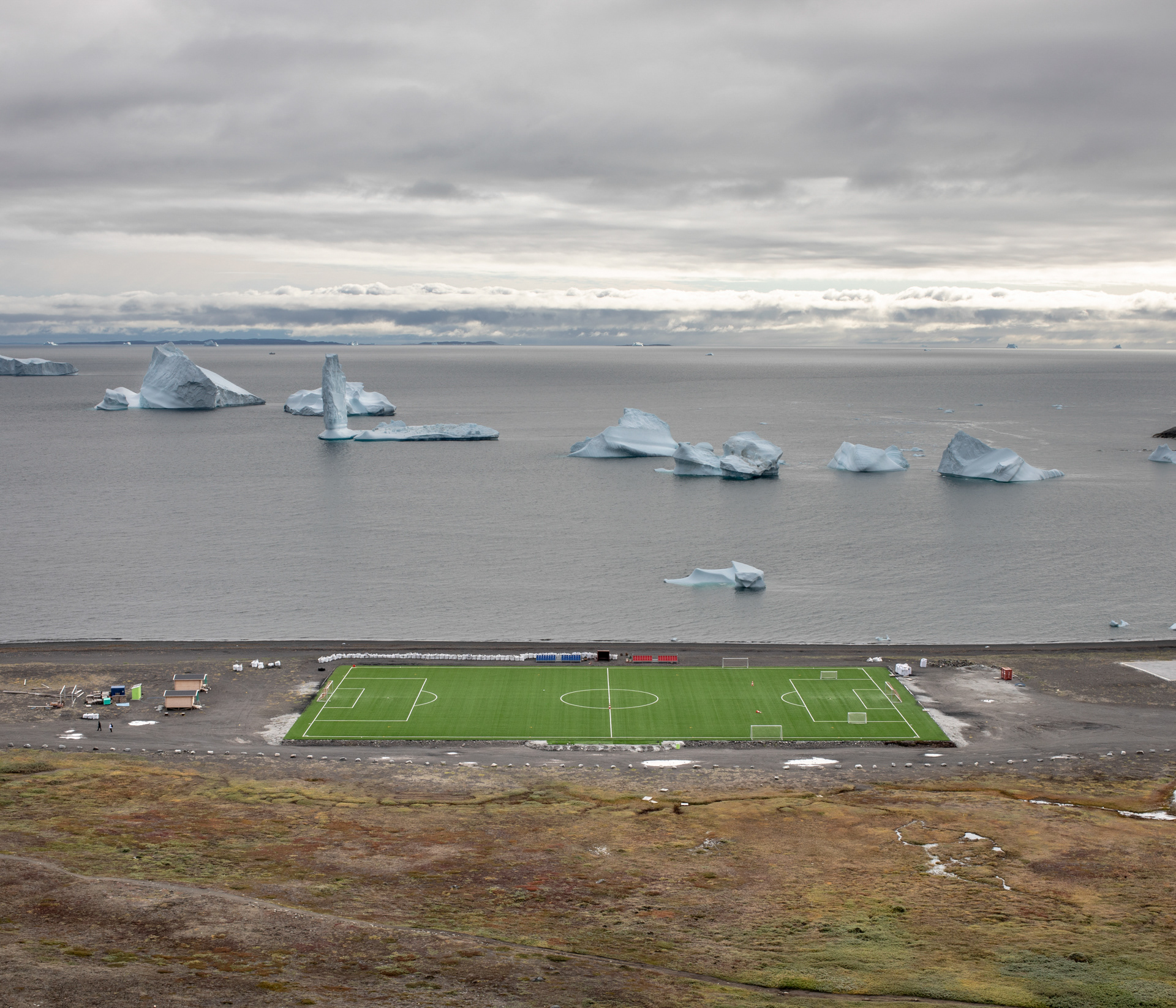
|ITA| Groenlandia - Lo stadio di calcio in erba sintetica di Qeqertarsuaq, in Groenlandia. Ospita il campionato di calcio più breve del mondo, che si gioca in una sola settimana a causa delle temperature molto basse.
|ENG| Greenland - The synthetic grass soccer stadium in Qeqertarsuaq, Greenland. It hosts the world’s shortest soccer championship, which is played over a single week due to the very low temperatures.
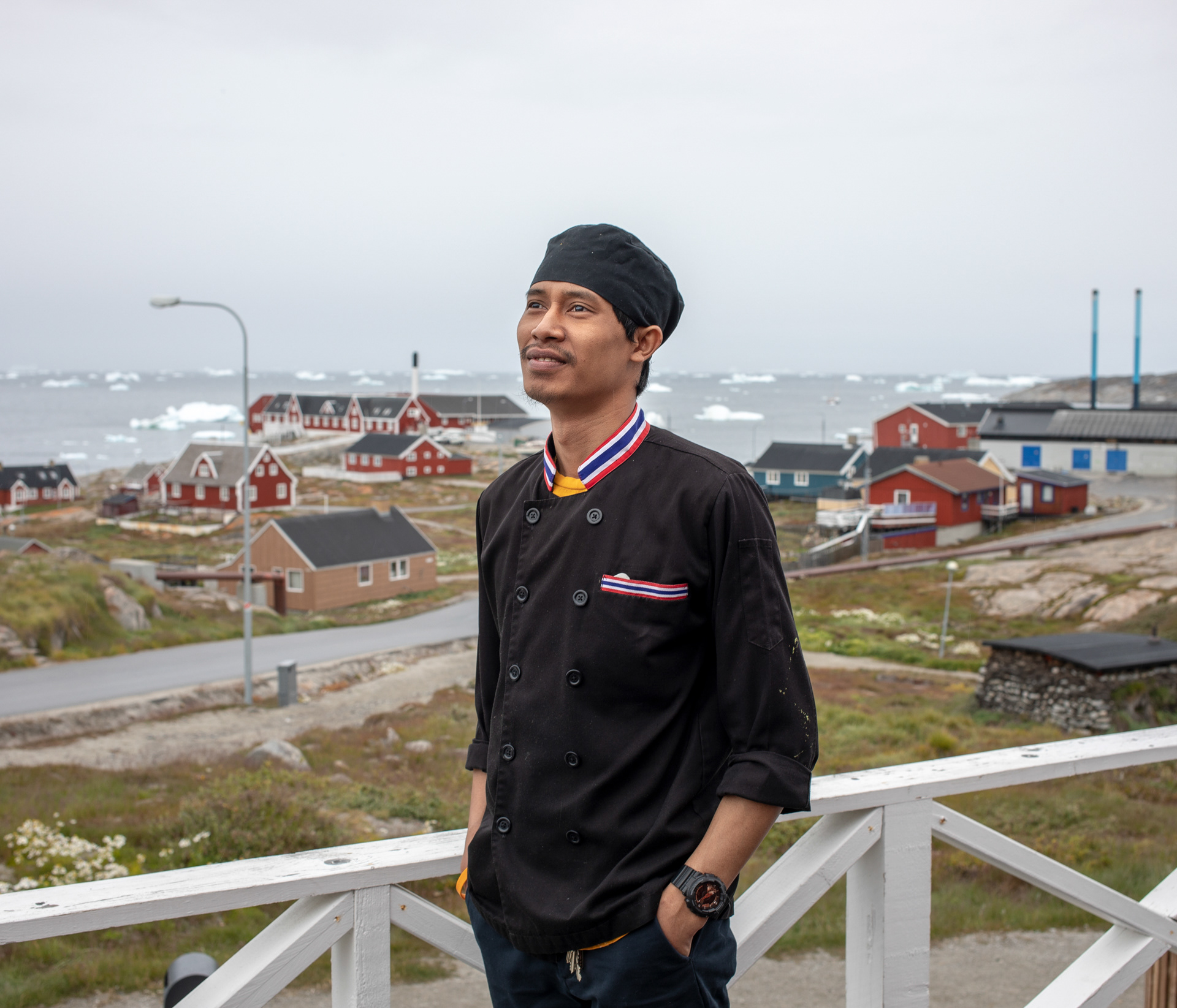
|ITA| Groenlandia - Watcharaphon è un cuoco tailandese. È arrivato per sopperire alla mancanza di lavoratori durante la stagione turistica. Ora si è stabilito definitivamente a Ilulissat.
|ENG| Greenland - Watcharaphon is a Thai chef. He came to make up for the lack of workers during the tourist season. He has settled permanently in Ilulissat.
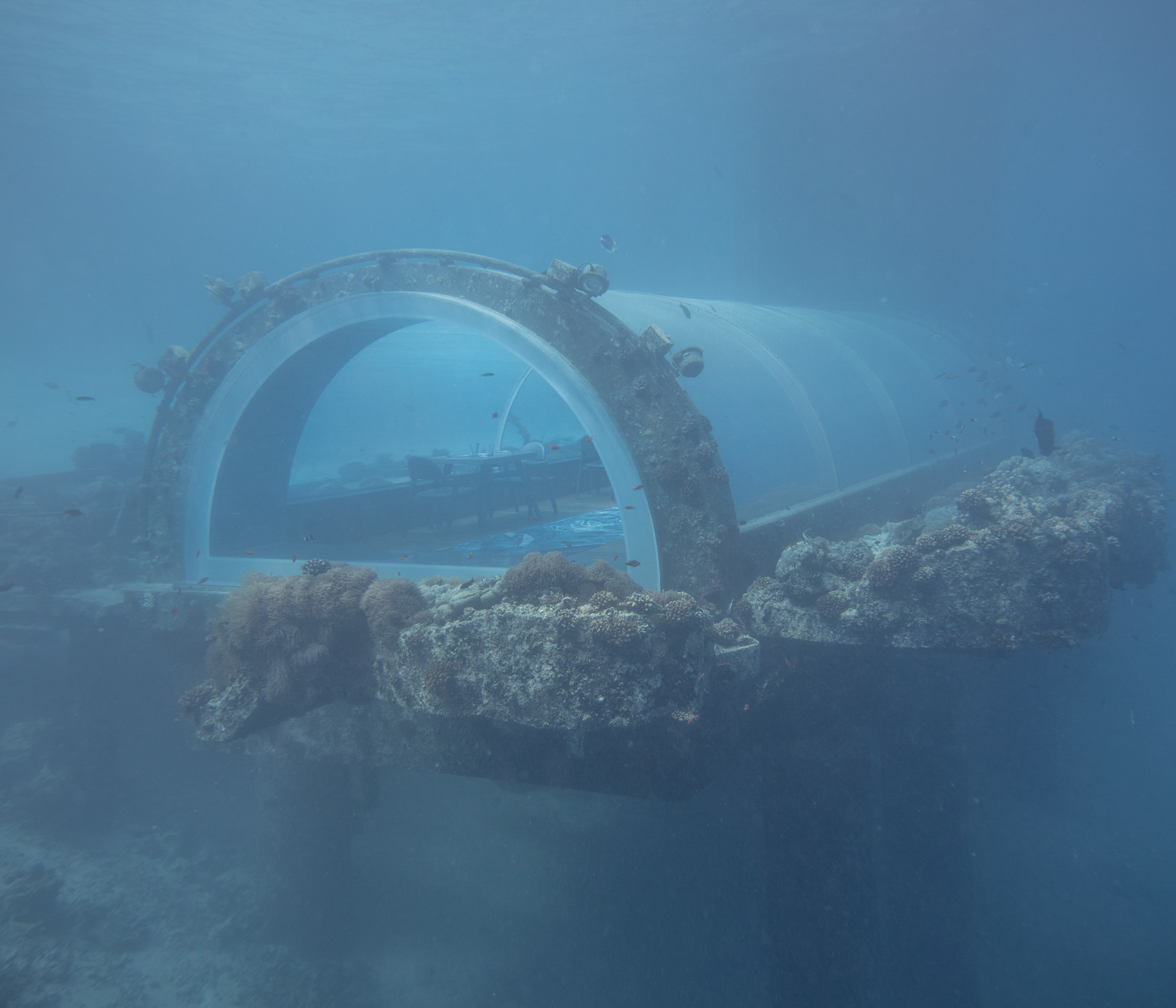
|ITA| Maldive - Il più grande ristorante subacqueo al mondo interamente in vetro. Inaugurato nel 2016, il suo nome deriva dalla profondità a cui si trova il ristorante. Questa enorme costruzione pesa 400 tonnellate e misura 90 metri quadrati.
|ENG| Maldives - The world’s largest all-glass underwater restaurant. It opened in 2016, and its name comes from the depth at which the restaurant sits. This huge construction weighs 400 tonnes and is 90 square meters.
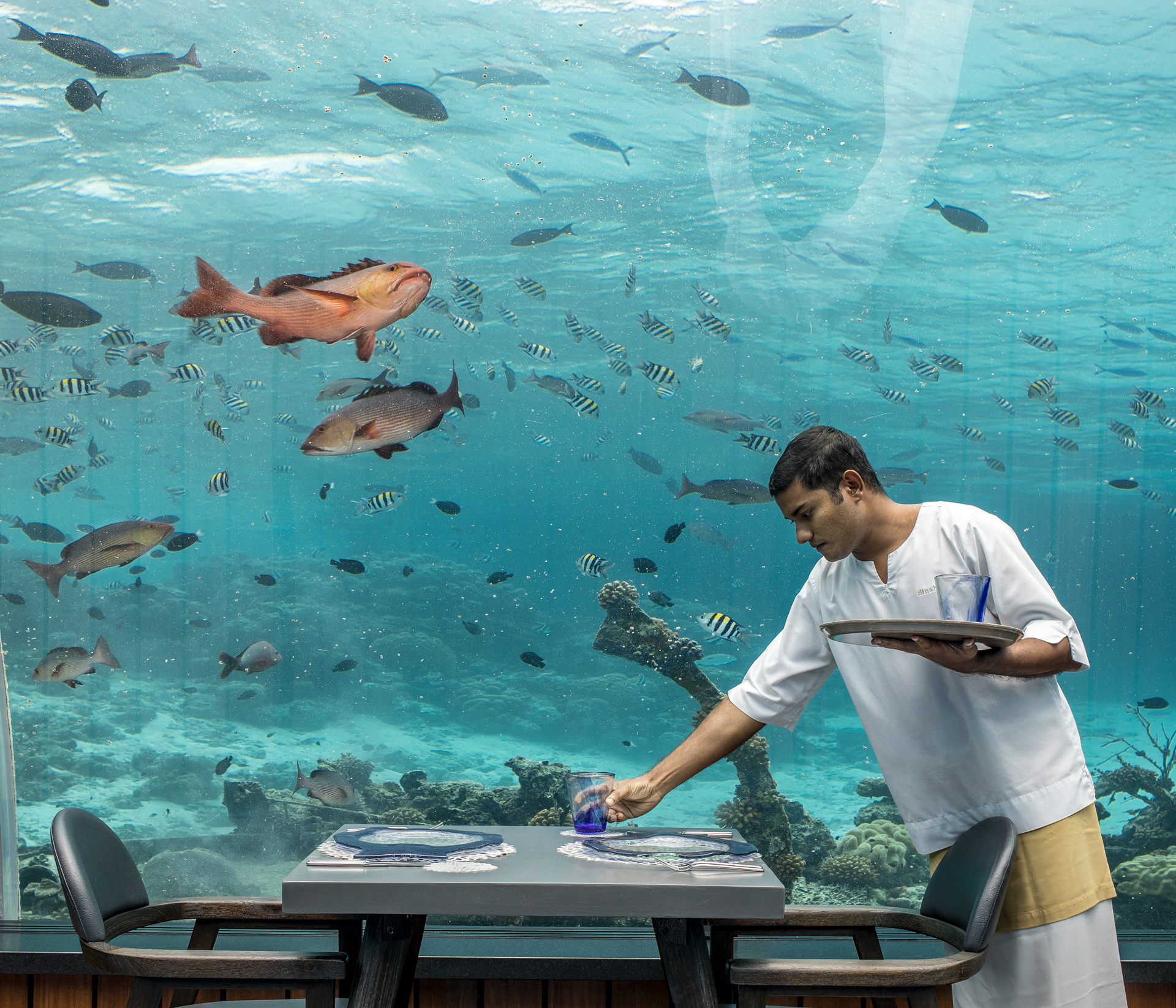
|ITA| Maldive - Mohamed, il cameriere di questo ristorante sottomarino, mentre prepara i tavoli per la cena. Questo è il più grande ristorante subacqueo al mondo interamente in vetro.
|ENG| Maldives - Mohamed, the waiter of this underwater restaurant, while is seting tables for the evening dine. This is the world’s largest all-glass underwater restaurant.
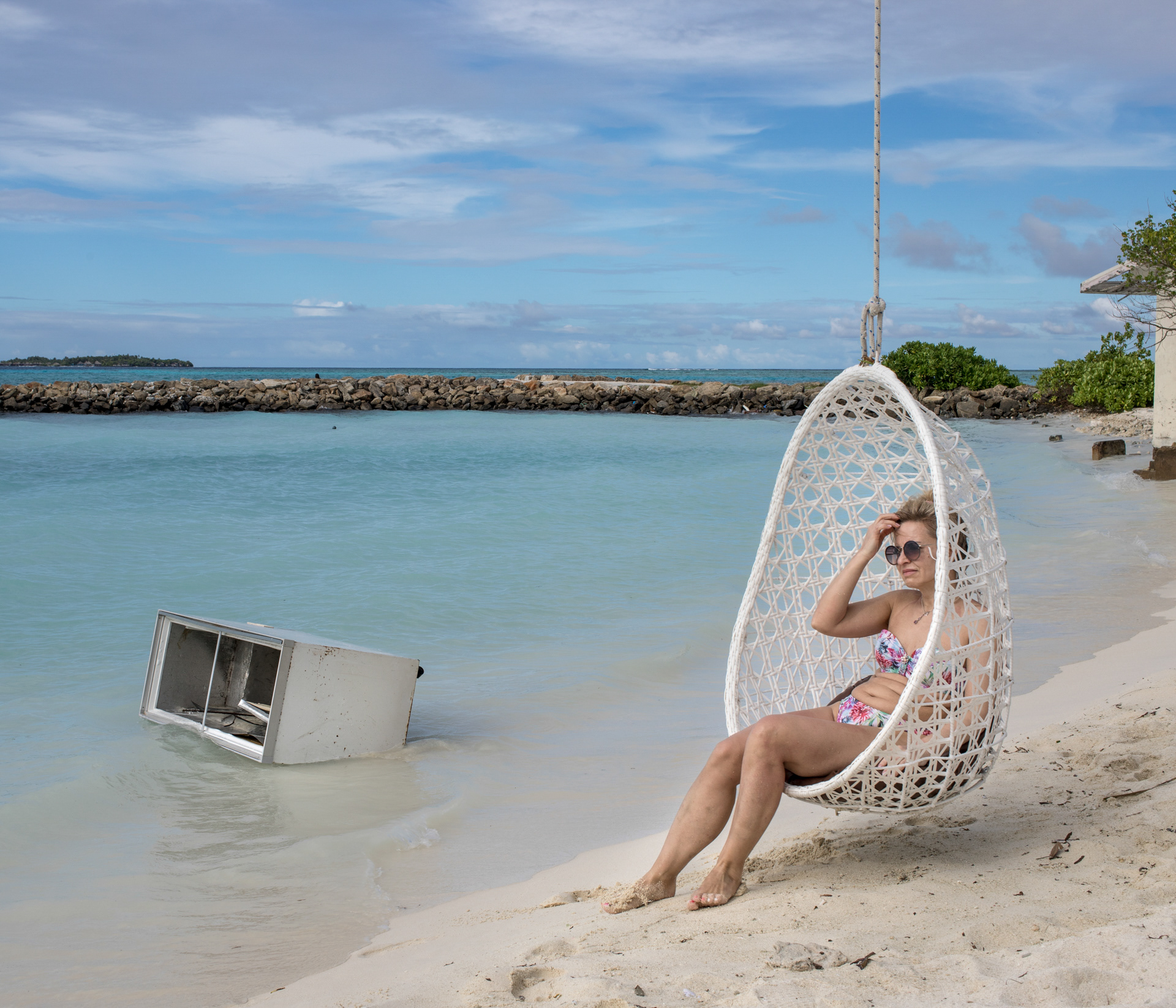
|ITA| Maldive - Una donna si rilassa su un’altalena da spiaggia mentre un mobile della spazzatura galleggia lungo la riva. Alle Maldive non esistono strutture gestite dallo Stato per riciclare l’immondizia e le isole locali non possono inviare i loro rifiuti all’isola della spazzatura vicino alla capitale, dove ogni giorno arrivano circa 800 tonnellate di rifiuti generati dalla capitale, Malé, e dai resort. In generale, le isole locali accumulano i loro rifiuti su spiagge isolate, dove vengono scaricati o bruciati.
|ENG| Maldives - A woman is relaxing on a beach swing while a rubbish furniture is floating along the shore. In Maldives there is no state-managed recycling facilities, and local island cannot ship their waste to the rubbish island near the capital, where everyday arrives around 800 tonnes of waste generated from the capital city of Malé and Resorts. Generally local islands amass household waste in apart beach where garbage are dumped or burned.
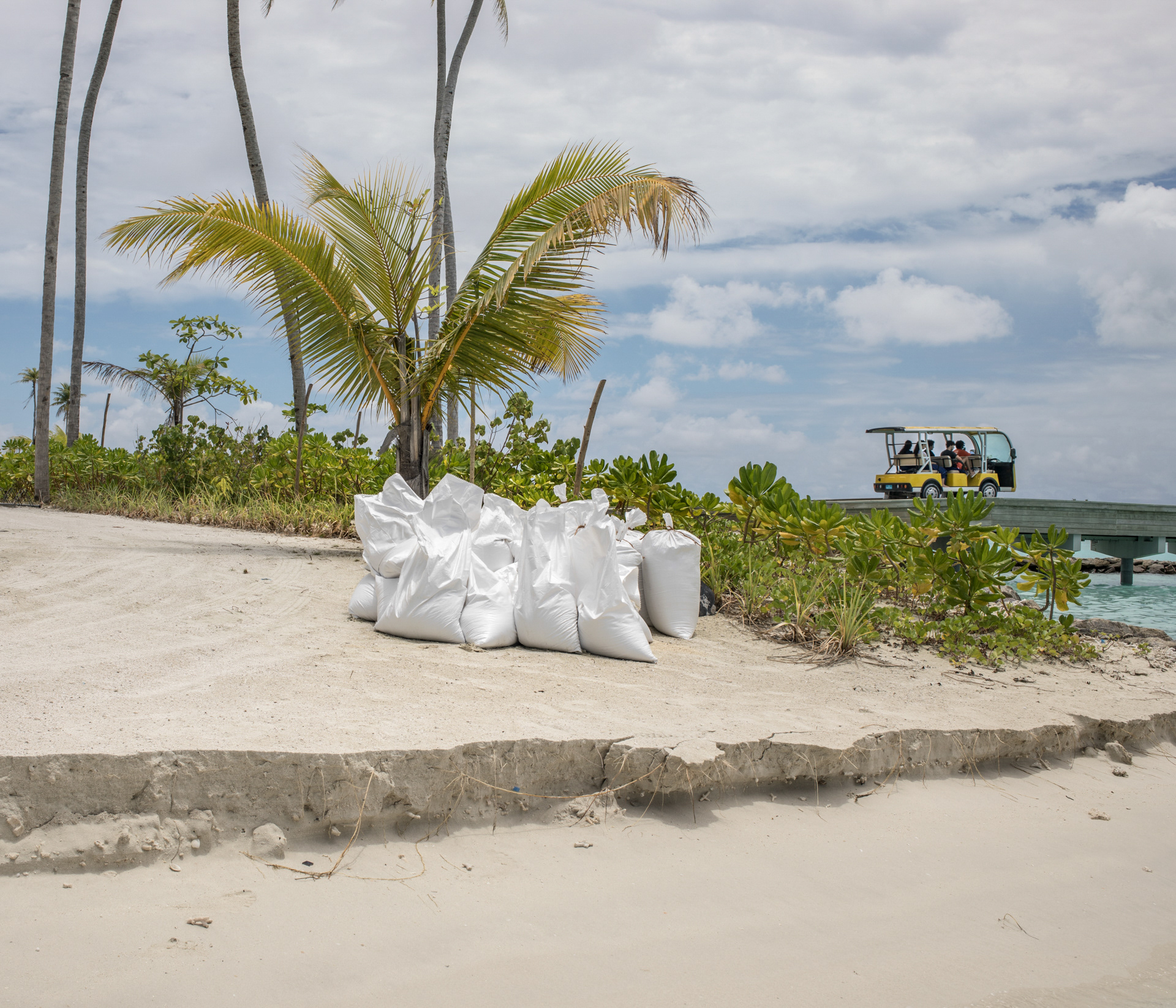
|ITA| Maldive - Una fila di sacchi di sabbia attende di essere sistemata lungo la riva per proteggere l’isola dalla costante erosione del mare. Sotto di essi è visibile un gradino generato dalla forte erosione del mare. Crossroad Island è il più grande complesso di isole delle Maldive, create dall’uomo per i turisti. Nonostante sia stata progettata prevedendo un innalzamento del livello del mare fino a 100 cm (secondo le previsioni dell’Ipcc), l’isola di Crossroad subisce un forte fenomeno di erosione della costa.
|ENG| Maldives - A row of sand bagful is waiting to be set along the shore to protect island from the constant erosion of the sea. Under these is visible a step generated by the strong erosion of the sea. Crossroad Island is the largest man made island complex for tourists in Maldives. Even it has been designed with the prevision of rising sea level up to 100 cm (following the Ipcc prediction), Crossroad island suffer a strong shore erosion phenomenon.
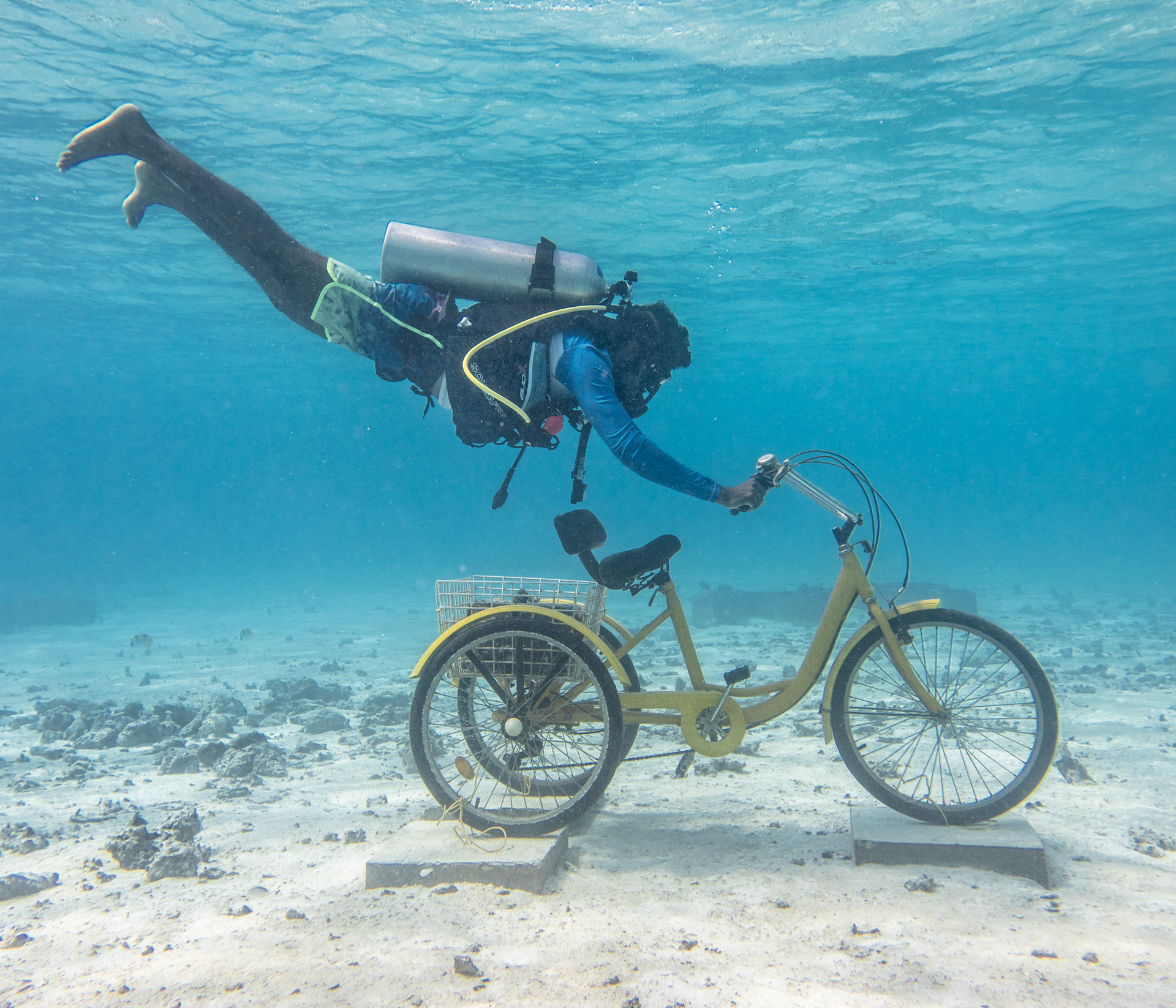
|ITA| Maldive - Hambe, 30 anni, si sta godendo le immersioni nel parco giochi sottomarino dell’isola di Fushifaru. L’isola di Fushifaru è nota per un famoso punto di pulizia delle mante e per la presenza di altri splendidi animali marini. Ma a causa del recente sbiancamento dei coralli, la barriera corallina dell’isola è scomparsa. Per questo motivo l’isola ha attuato un programma di ripristino della barriera corallina e ha installato in quest’area un parco giochi subacqueo. L’obiettivo è quello di offrire ai turisti maggiori opportunità di snorkeling.
|ENG| Maldives - Hambe, 30 years old, is enjoying his diving on the Fushifaru Island underwater playground. Fushifaru Island is well known for a famous Manta cleaning point and for the presence of other beautiful marine animals. But due to the recents coral bleaching, the surrounding island coral reef disappeared. For this reason the re- sort has implement a coral reef restoration pro- gram, and it has installed in this area an underwater playground. The aim is to give more snorkeling opportunity for tourists.
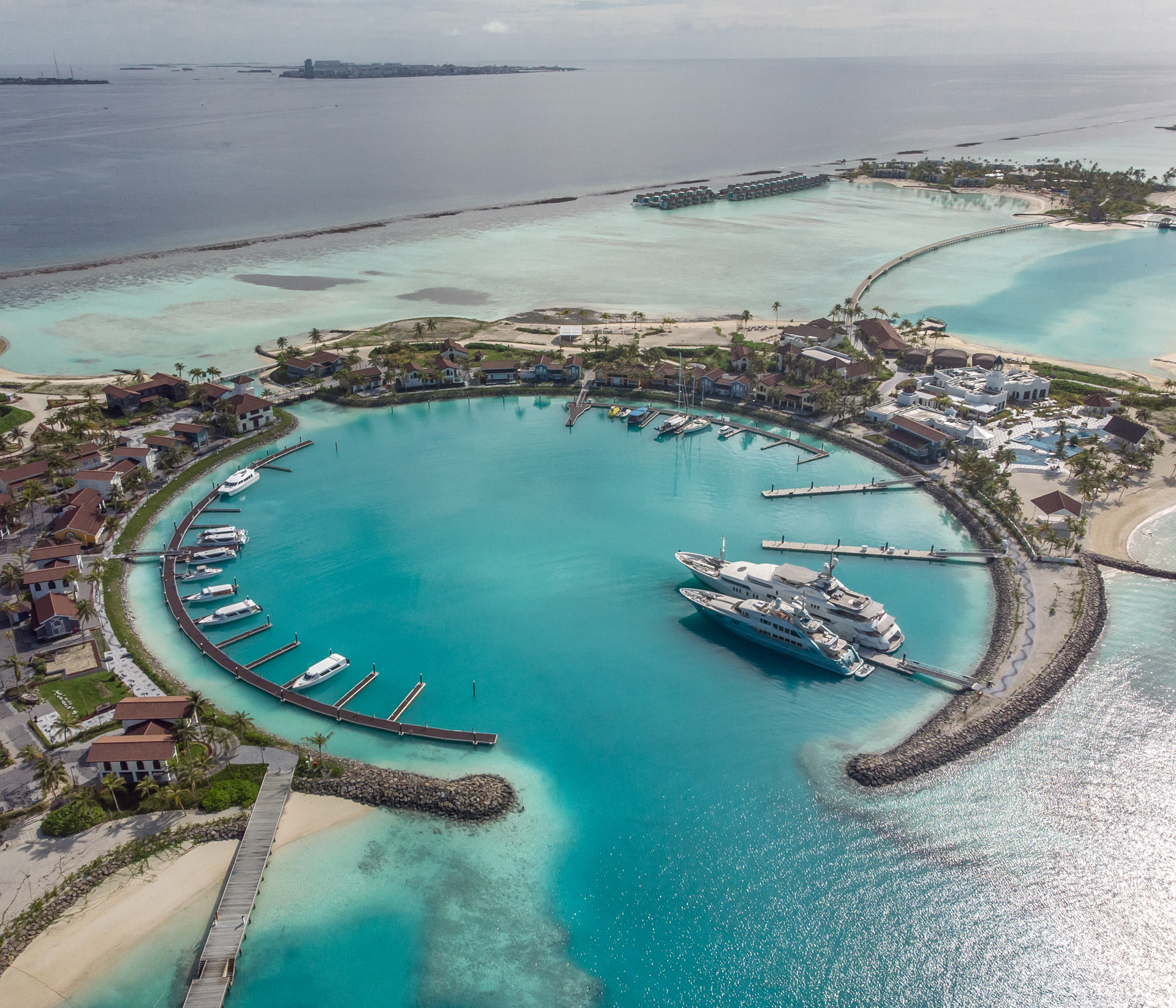
|ITA| Maldive - Vista aerea di Crossroads, il più grande complesso di isole artificiali per turisti delle Maldive. Crossroads è una laguna composta da nove isole artificiali. Il costo dell’investimento per l’intero progetto è di 696 milioni di dollari. La costruzione di questo complesso ha avuto un forte impatto sull’ambiente, poiché il progetto ha richiesto la bonifica di gran parte del terreno e importanti lavori di dragaggio dei fondali.
|ENG| Maldives - A bird eye view of Crossroads Island, the largest man made island complex for tourists in Maldives. Crossroads is an artificial lagoon composed of nine reclaimed islands. The investment cost for the total project is US$696 million. Building this complex has an impact on environment, because the project has needed much of land reclamation and heavy dredging has been necessary.
TOURISM IN THE CLIMATE CHANGE ERA
IL LIBRO|THE BOOK
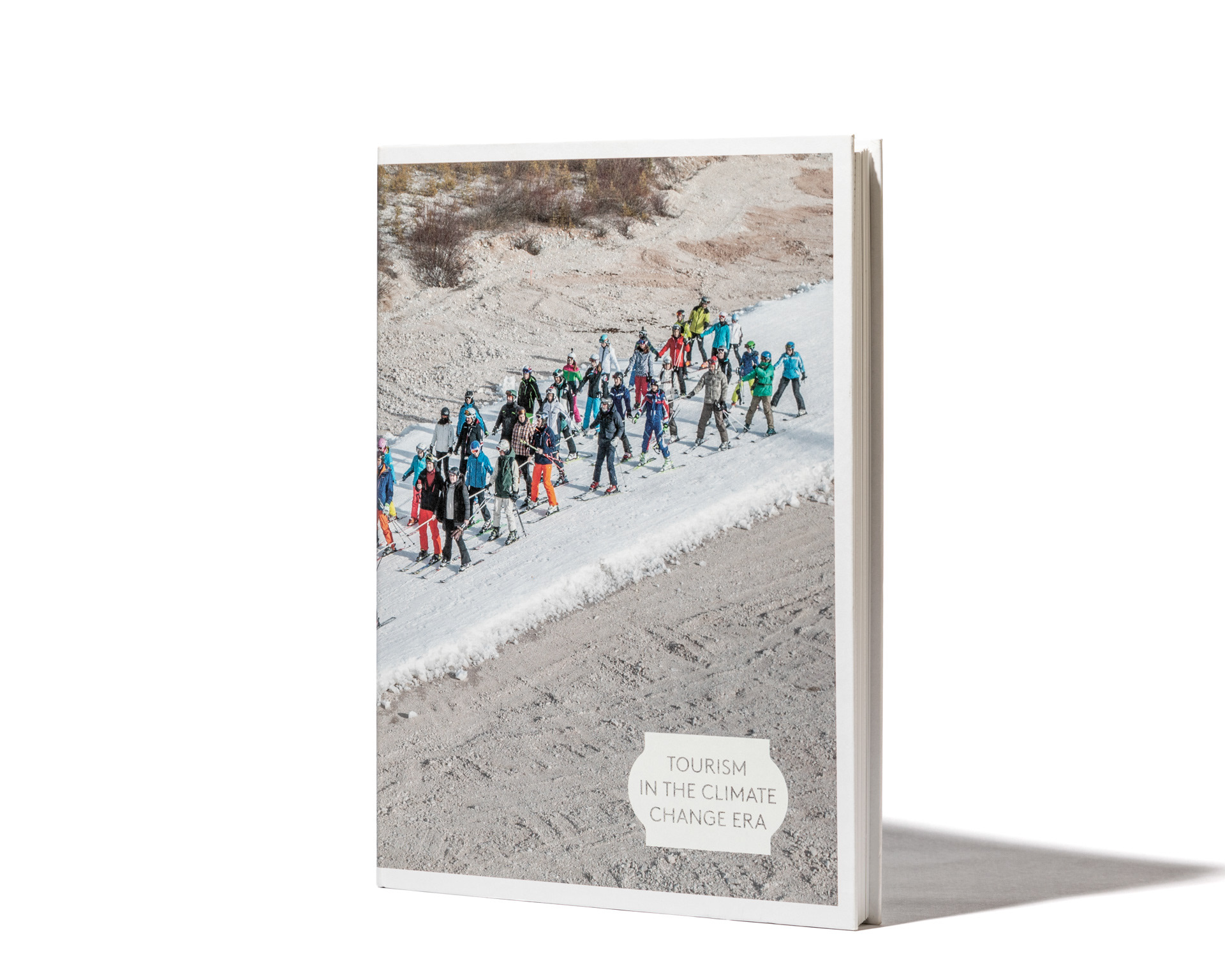
Photographs : Marco Zorzanello
Texts : Hervé Barmasse, Paolo Galli, Jacopo Gabrieli, Lorenzo Perrone, Marco Zorzanello
Design : Kakkalakki
André Frere Edition
184 pages
24 x 32 cm
Hardcover
85 colour pictures
French/english
ISBN : 978-2-492696-14-5
Released October 2023
With the support of Région Sud, Provence-Alpes-Côte d’Azur and Polycopies & Co.
MARCO ZORZANELLO
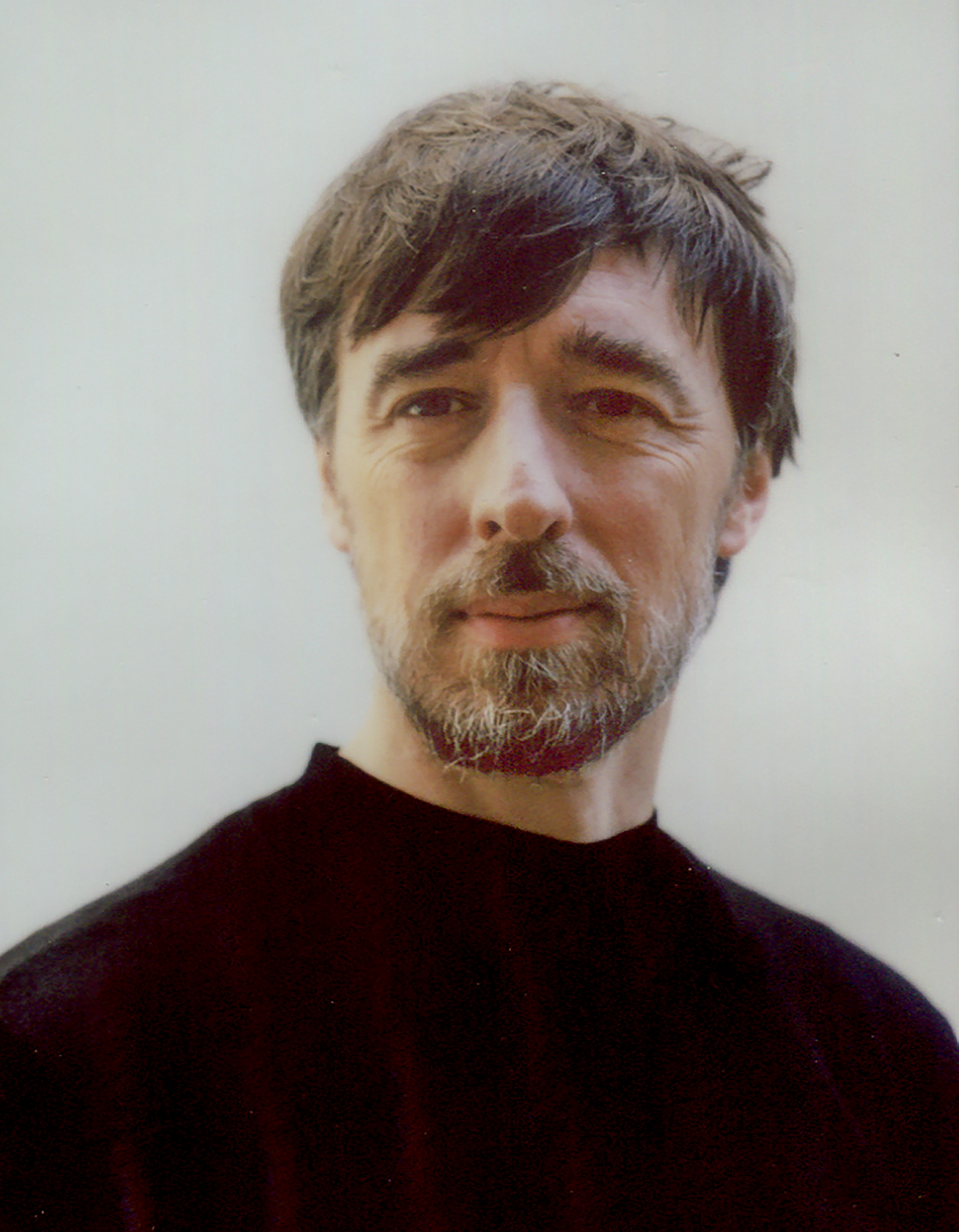
Marco Zorzanello è un fotografo documentarista nato in Italia nel 1979. Dopo una laurea magistrale in Archeologia presso l'Università Ca' Foscari di Venezia e alcuni anni di lavoro sul campo come archeologo, si è dedicato allo studio della fotografia di reportage con un diploma presso l'Istituto John Kaverdash di Milano e un corso di specializzazione promosso e organizzato dal MoMA di New York.
Dalla fine del 2015, ha rivolto la sua indagine fotografica alla narrazione visiva del cambiamento climatico, concentrandosi in particolare sui suoi effetti sul settore turistico. Grazie al suo progetto a lungo termine “Il turismo nell'era del cambiamento climatico”, ha avviato importanti collaborazioni con numerose case editrici, quotidiani e media internazionali di fama, tra cui Time, National Geographic, New York Times, Newsweek Japan, Internazionale e molti altri.
Le sue opere sono state premiate dagli Yves Rocher Photography Awards al Visa Pour l'Image, dal “6mois prize pour photojournalisme”, ed esposte in alcuni dei più importanti festival fotografici europei, mentre nel 2023 l'editore francese André Frere ha pubblicato il suo primo libro " Le tourisme à l'heure du changement climatique", premiato da Polycopies Paris 2023 e a Les Rencontres d'Arles 2024.
Da molti anni collabora con alcune delle principali istituzioni culturali italiane, come il Ministero dei Beni Culturali, il MuFoCo (Museo di Fotografia Contemporanea), La Biennale di Venezia e Gallerie d'Italia (il più grande museo privato italiano).
La sua ricerca visiva ruota attorno al rapporto uomo-ambiente, ricorrendo talvolta anche a forme ironiche di narrazione visiva che esprimono al meglio il contesto a volte esasperato in cui viviamo.
Marco Zorzanello is a documentary photographer who was born in Italy in 1979. After a master’s degree in Archeology at the Ca’ Foscari University of Venice and some years of field work as an archaeologist, he dedicated himself to the study of reportage photography with a diploma from the John Kaverdash Institute in Milan and a specialization course promoted and organized by the MoMA of New York.
Since late 2015, he has been turning his photographic investigation to the visual narrative of climate change, with a focus on its effects on the tourism industry. Thanks to his long-term project "Tourism in the climate change era", he has established important collaborations with a number of renowned publishing houses, newspapers, and international media, including Time, National Geographic, New York Times, Newsweek Japan, Internazionale and many others.
His works have been honored by the Yves Rocher Photography Awards at Visa Pour l'Image, the “6mois prize pour photojournalisme”, as well as exhibited at some of the major photography festivals on the European scene, while in 2023 the French publisher André Frere published his first book 'Le tourisme à l'heure du changement climatique', awarded by Polycopies Paris 2023 and at Les Rencontres d'Arles 2024.
Since many years he has been collaborating with some of the major Italian Cultural Institution, such as the Italian Ministry of Cultural Heritage, the MuFoCo (Museum of Contemporary Photography), La Biennale of Venice and Gallerie d'Italia (the bigghest Italian private Museum).
His visual research revolves around the human-environment relationship, at times even resorting to ironic forms of visual narration that best express the sometimes exasperated context in which we live.